2024 was the year everyone talked about AI. In 2025, we saw the first real applications on the factory floor. But 2026? That's when everything truly changes. We're no longer talking about robots programmed to do one thing, but smart machines that actually understand what they're doing. And that makes quite a difference.
1. Physical AI: Robots finally get a brain
The biggest shift? AI is now truly embedded in the hardware. No more robots that constantly need to phone home to the cloud to figure things out. Thanks to powerful edge chips, robots can make decisions on the spot.
The best part? Robots in 2026 can learn by simply watching. They observe how a human does something - or watch a video - and then understand the task. No need for thousands of lines of code anymore. This makes them incredibly flexible. A robot packing boxes today can sort small electronics tomorrow without a single line of code being changed. The robot simply understands the 'physics' of the task.

2. Agentic AI: From assistant to teammate
In 2026, the role of AI shifts significantly. An 'agent' is no longer a system that only responds when you ask something, but a system that independently takes action to achieve a goal.
Picture this: a shipment is delayed. In the past, someone had to manually adjust the schedule, call all the other departments, and inform the customer. Now? The AI agent handles it itself. The system adjusts the routes of the AMRs (Autonomous Mobile Robots), coordinates with the packaging line, and notifies customer service. The robot is no longer a tool - it's become an autonomous process manager.
3. IT and OT merge: The software-defined factory
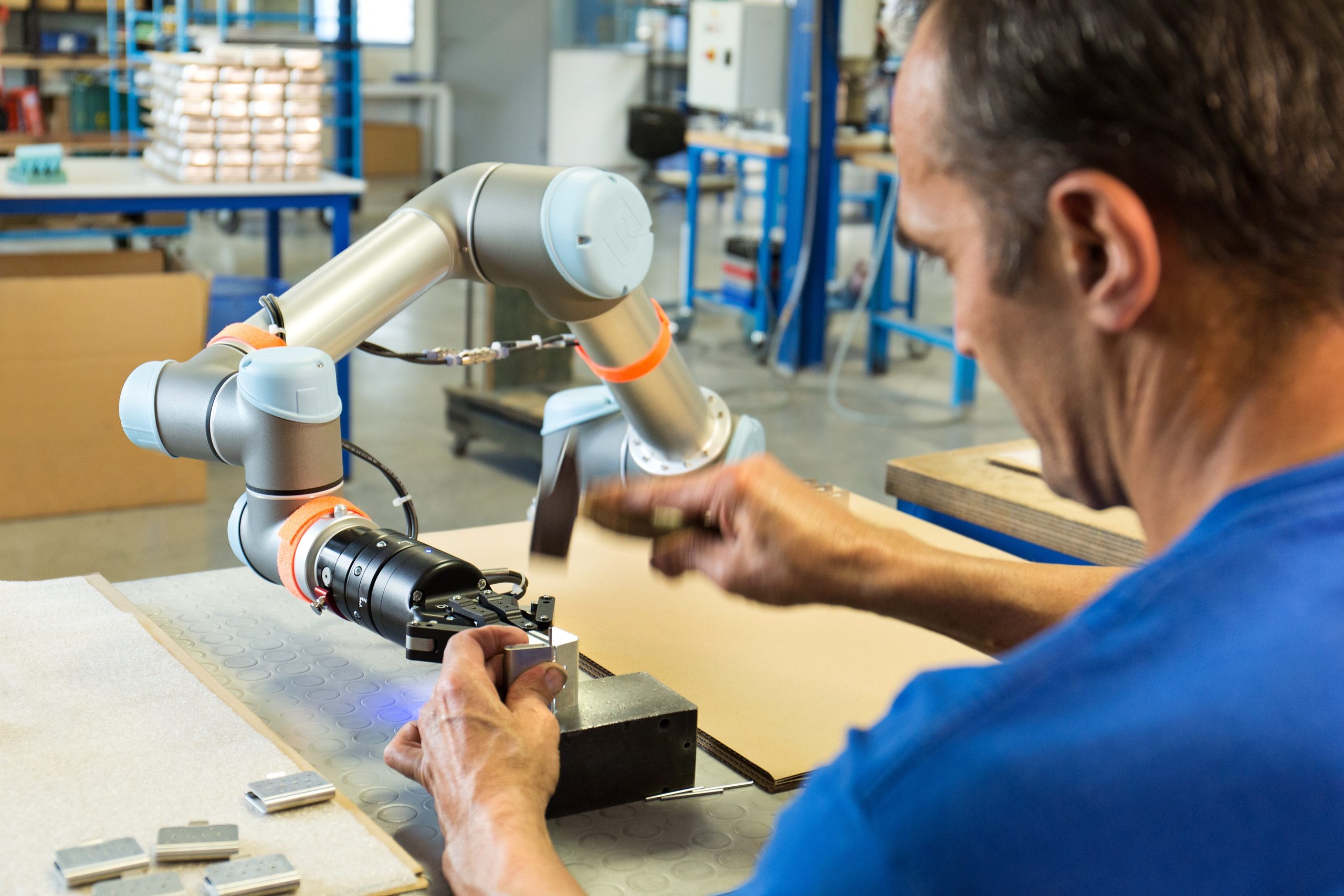
For years, the office world (IT) and the factory floor (OT) were separate universes. That's over. In 2026, we talk about Software-Defined Automation.
What does that mean? The control of a production line is no longer locked into physical PLCs, but runs virtually in a central system. A factory can now adjust its layout and processes with the push of a button. The same flexibility you know from software updates on your smartphone, but for heavy industrial machinery. Pretty game-changing.
4. Humanoids actually enter the factory
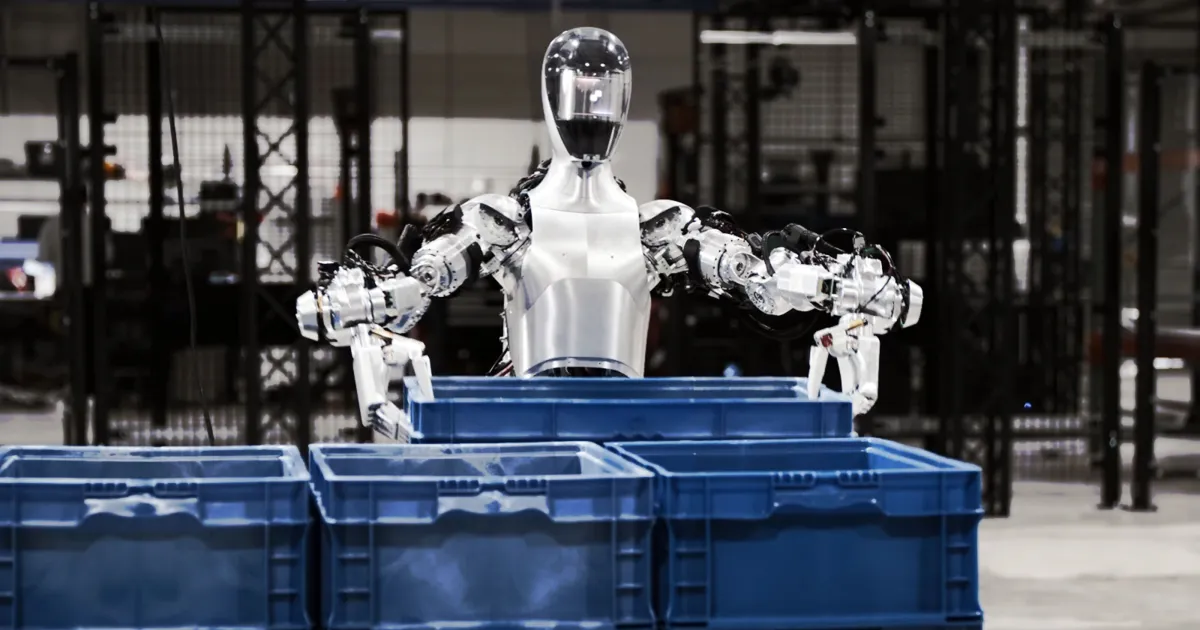
Last year, humanoid robots were mostly impressive demos at trade shows. This year, we're seeing them actually at work. The Tesla Optimus, Figure AI - they're being deployed for specific jobs that are designed for humans but are too heavy or too dangerous.
Think about unloading trucks where packages are stacked every which way, or moving parts in spaces where fixed robots simply can't reach. Humanoid robots fill the gap where traditional automation is too rigid. They're not everywhere yet, but they're making their entrance.
5. Inbound automation: the new battleground
For years, everything focused on outbound: how do we get packages out the door as fast as possible? But in 2026, it's all about the other side: goods receiving. That's where the real bottleneck is.
Smart companies are investing heavily in AI-driven vision systems that can unload unsorted pallets and immediately scan for damage or discrepancies. Robot arms with universal grippers recognize every type of product and place it in the right spot immediately. Without a human even needing to look at it.
6. Sustainability as a driver: Green Automation
Automation in 2026 isn't just about working more efficiently. It's also about survival, especially with the new European sustainability regulations (CSRD) coming into play.
Smart sorting robots ensure much more accurate recycling streams. AI models predict exactly how much energy a production line needs, preventing peak loads on the power grid. And then there's 'Retrofit Automation': equipping old machines with new sensors and AI modules to extend their lifespan. Not buying new hardware, but using what you already have more intelligently.

What does this mean for your business?
The trends for 2026 make one thing clear: the line between digital and physical is blurring. Automation is no longer about replacing hands, but about extending intelligence to the factory floor.
Companies that want to lead in 2026 shouldn't just invest in machines. The real investment is in data infrastructure and your people's skills. The operator of the future isn't a machine operator anymore. They're a 'robot orchestrator' - someone who manages an entire team of intelligent systems.
And that requires a different way of thinking and working.
Want to learn more about how automation can improve your production process? Contact us or schedule a free consultation.